Meta is pushing its wearable AI vision further — this time with a more practical twist.
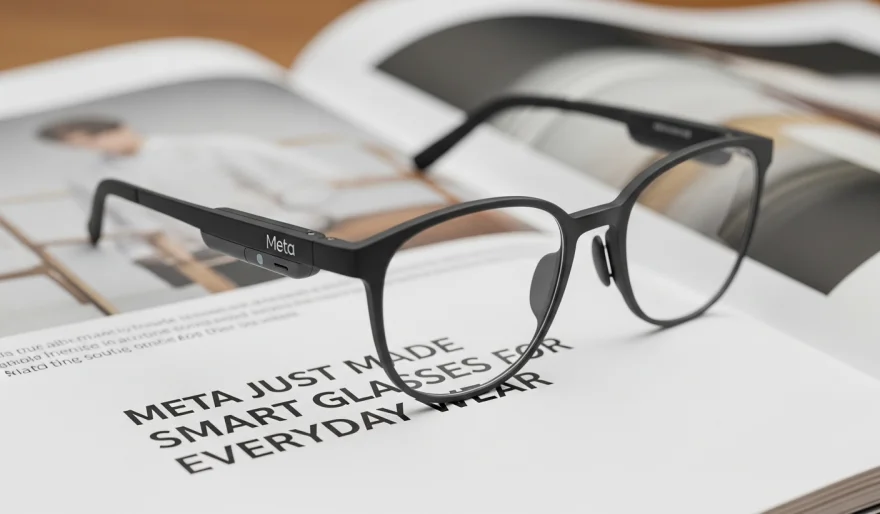
The company has launched two new versions of its Ray-Ban Meta Smart Glasses, specifically designed for prescription lens users — a group that was previously underserved in the smart glasses wave.
On the surface, it’s a simple product update. But zoom out, and it’s a strategic move to bring AI wearables into everyday life.
Because one of the biggest limitations of smart glasses hasn’t been the tech… it’s been usability. If people who need prescription lenses can’t wear them comfortably, adoption hits a wall.
Meta is clearly trying to remove that friction.
These new models allow users to integrate their vision needs with features like hands-free photo capture, audio playback, and AI-powered interactions — turning the glasses from a niche gadget into something closer to a daily essential.
Why this matters:
This is about distribution, not just innovation.
Smart glasses only win if people actually wear them all day — and that means:
-
Comfort and personalization
-
Seamless integration into daily routines
-
Expanding beyond early adopters
By targeting prescription users, Meta is opening the door to a much larger market.
The subtle shift:
AI is quietly moving off screens and onto your face.
Devices like these hint at a future where interacting with AI becomes ambient — always available, always listening, and woven into your environment.
The risk:
More wearable AI also means more concerns around privacy, data capture, and social acceptance — issues Meta has faced before.
The hot take:
This isn’t just about glasses.
It’s about making AI invisible.
And the companies that succeed won’t just build smart devices…
They’ll build ones you forget you’re even wearing.



















 AI Agents