Stay Ahead of the Curve
Latest AI news, expert analysis, bold opinions, and key trends — delivered to your inbox.
The OpenAI Controversy Nobody Saw Coming
3 min read OpenAI reportedly fired its vice president of product policy, Ryan Beiermeister, after a male colleague accused her of sex discrimination. She denied the allegation, and OpenAI said her dismissal was unrelated to concerns she had raised about a planned “adult mode” feature for ChatGPT. The case has highlighted internal tensions at OpenAI over product direction and ethical issues. February 11, 2026 13:23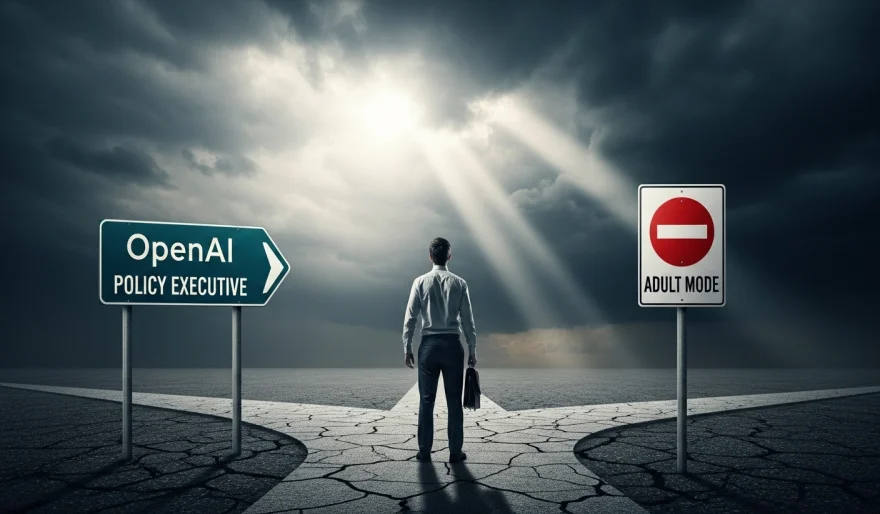
OpenAI has reportedly fired Ryan Beiermeister, its vice president of product policy, following a discrimination complaint from a male colleague — a move that has sparked fresh debate about internal tensions at the AI giant.
According to reports, Beiermeister was dismissed in January after being accused of sex discrimination. She has strongly denied the allegation, calling it “absolutely false.” OpenAI has not publicly commented on the case.
The situation is more complicated than it looks.
Before her departure, Beiermeister had reportedly criticized a planned ChatGPT feature known as “adult mode,” which would introduce erotic content into the chatbot experience. The feature is expected to launch this year, and concerns had been raised internally about its potential impact on users.
OpenAI, however, maintains that her firing was unrelated to her opposition to the feature, stating that she made valuable contributions and that her departure had nothing to do with the issues she raised.
Beiermeister previously worked at Meta and Palantir, bringing years of experience in product and policy to OpenAI.
🧠 What’s Really Happening
This isn’t just a workplace dispute.
It’s a clash between AI innovation, ethics, policy, and corporate power.
As AI systems expand into sensitive areas like adult content, internal disagreements are becoming inevitable.
🚀 Why This Matters
-
OpenAI is navigating a growing tension between product expansion and ethical concerns.
-
The case highlights how controversial features can create internal fractures in AI companies.
-
It raises broader questions about governance, accountability, and culture in fast-moving AI organizations.
⚠️ The Bigger Picture
AI companies are no longer just tech companies.
They are cultural, ethical, and political institutions.
And as their products become more powerful, the conflicts inside them will become more public.
This story isn’t just about one executive.
It’s about how far AI companies are willing to go — and who gets pushed out when they disagree.
















 AI Agents