Stay Ahead of the Curve
Latest AI news, expert analysis, bold opinions, and key trends — delivered to your inbox.
Rivian Is Building Its Own AI Assistant
4 min read Rivian has been developing its own AI assistant for nearly two years, designed to integrate with all vehicle controls. The move highlights the automaker’s push toward AI-driven, vertically integrated electric vehicles, with more details expected on Dec 11. December 09, 2025 20:39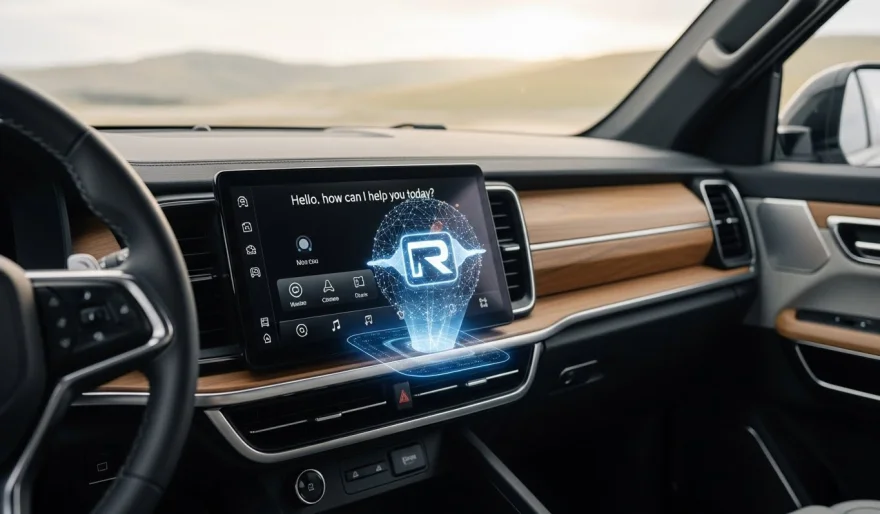
Rivian has quietly been working for nearly two years on its own AI assistant, separate from its multi-billion-dollar tech venture with Volkswagen. While the company hasn’t officially announced a launch date, CEO hints point to the end of 2025, with more details expected during its AI and Autonomy Day on December 11.
But this isn’t a half-baked chatbot. According to Rivian’s software chief, Wassym Bensaid, the AI assistant is designed to integrate with every vehicle control — from climate and navigation to potentially driving-assist systems. The company has spent significant resources on building an architecture that’s model- and platform-agnostic, meaning it can interface with different AI models as the underlying tech evolves.
Bensaid calls it an “agentic framework,” focused not just on conversation but on coordinating workflows, resolving conflicts, and managing the in-vehicle environment intelligently. Think less “Siri in a car” and more “co-pilot that understands your vehicle, your commands, and context simultaneously.”
Why it matters:
This move positions Rivian ahead in a growing trend where automotive AI is moving beyond infotainment into core vehicle functionality. Rivian is betting that a proprietary AI assistant will not only differentiate its vehicles but also reinforce its vertical integration strategy — from battery packs to software UX.
Pros:
-
Deep integration with vehicle controls could enhance user experience and safety.
-
Model-agnostic architecture allows flexibility as AI technology evolves.
-
Supports Rivian’s strategy of vertical integration and platform control.
Cons:
-
AI complexity in vehicles introduces new points of failure and potential safety risks.
-
Timeline and real-world deployment remain uncertain.
-
Competes in a crowded space where Tesla, GM, and other automakers are also building AI assistants.
Hot take:
Rivian isn’t just chasing an AI trend; it’s betting that intelligent in-vehicle agents will define the next decade of automotive innovation. For investors and auto-tech watchers, this is a clear signal: cars are no longer just machines — they’re AI platforms on wheels. The company that gets the integration, reliability, and context awareness right may set the standard for electric vehicles in the AI era.















 AI Agents