Stay Ahead of the Curve
Latest AI news, expert analysis, bold opinions, and key trends — delivered to your inbox.
OpenAI Turns Off “Ad-Like” App Suggestions After User Backlash
4 min read OpenAI paused app suggestions in ChatGPT after users said they looked like ads. The company insists they weren’t paid promos, but admits it “fell short” and is reworking the feature as trust becomes the real battleground in AI assistants. December 08, 2025 11:48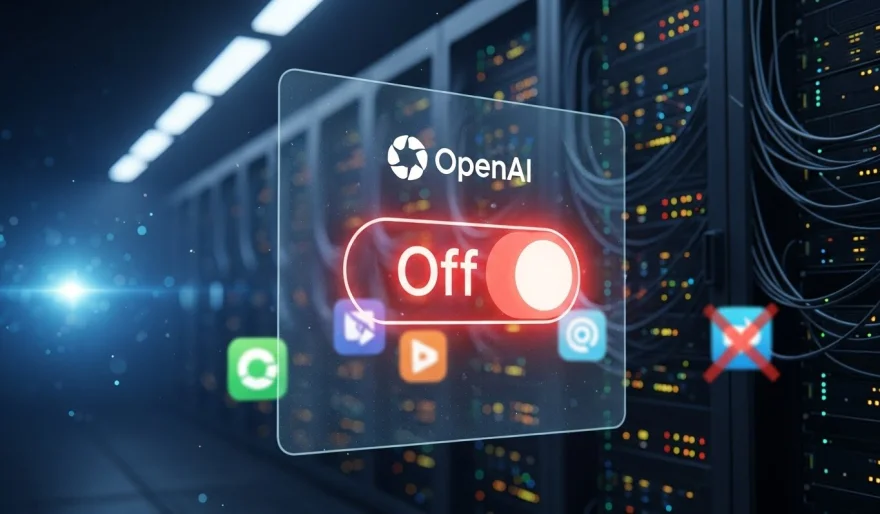
What really happened, why it matters, and the bigger signal for AI’s business model.
OpenAI hit the pause button this week after ChatGPT users — including paying subscribers — started seeing app suggestions that looked way too much like ads. Think Peloton. Target. Brand names appearing in conversations without context.
OpenAI insists these weren’t ads. No money, no sponsorships, no deals. Instead, they were supposed to be recommendations for apps built on the ChatGPT platform. But here’s the reality: if it looks like an ad, feels like an ad, and makes users suspicious like an ad… it’s an ad in their minds.
And after that wave of “Bruhhh… don’t insult your paying users” posts, OpenAI backed off. Chief Research Officer Mark Chen admitted the company “fell short” and temporarily disabled the suggestions. The team is now working on more precise behavior and new controls so users can turn that feature down — or off entirely.
Why this matters:
This isn’t about a UI tweak. It’s about trust — the currency that will determine who wins the AI assistant war. When you rely on an AI system for search, productivity, research, or even business decisions, the last thing you want is hidden commercial bias creeping in.
Investors are watching too. At some point, every AI company has to monetize. Ads are the largest and most proven revenue engine in tech history. But integrating them into an AI assistant is a tightrope: lean too far and you break user confidence; lean too safe and you leave billions on the table.
The upside:
OpenAI responded fast, publicly, and transparently. That’s a strong signal: they know their moat isn’t the model — it’s the trust around the model.
The caution:
This won’t be the last time AI platforms collide with monetization realities. The industry is heading toward a massive showdown between “ad-supported AI,” “subscription AI,” and “enterprise AI.” And early stumbles like this foreshadow the tension ahead.
Hot take:
This wasn’t about ads. It was a stress test for OpenAI’s reputation. And the message from the market — AI workers, developers, power users, and billionaires watching the space — is clear: if you’re going to monetize AI assistants, do it with transparency, not surprises.








 AI Agents