Stay Ahead of the Curve
Latest AI news, expert analysis, bold opinions, and key trends — delivered to your inbox.
NYT Escalates Legal Fight Against Perplexity AI
4 min read The New York Times has filed a new lawsuit against Perplexity AI, alleging copyright infringement. The case could set major precedents for how AI platforms use published content and pay for access to high-quality sources. December 05, 2025 15:07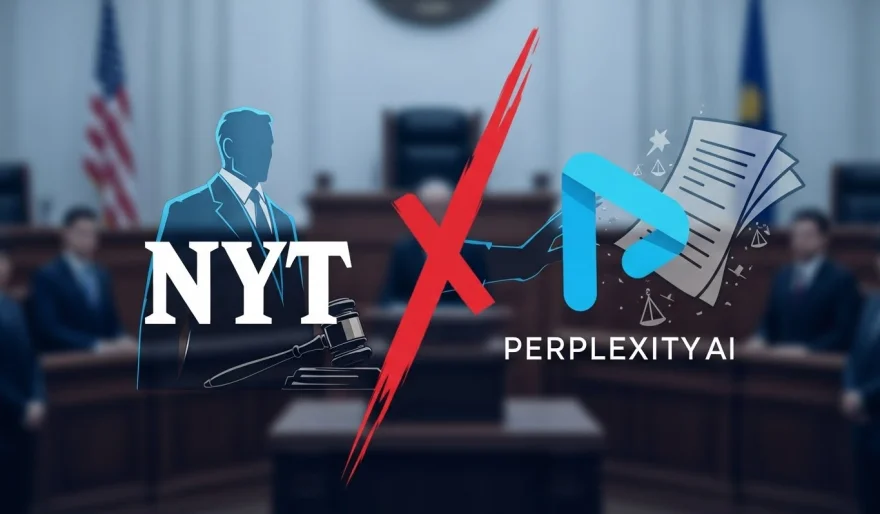
The New York Times is turning up the heat. The media giant has filed a new lawsuit against Perplexity AI, accusing the AI-powered search and answer platform of scraping its copyrighted content without permission. This marks the latest escalation in the ongoing tension between traditional publishers and AI companies mining text for training or real-time answers.
At the heart of the dispute is the classic clash: content ownership versus AI innovation. Perplexity, like other AI assistants, relies on vast amounts of online text to generate answers. Publishers argue that this use undermines their business model, as AI can provide instant summaries or answers without directing traffic back to the original articles. For NYT, protecting its intellectual property isn’t just legal — it’s strategic.
Why it matters: Legal battles like this could shape the rules for AI training and content usage for years to come. If NYT wins, AI platforms might have to negotiate licensing deals or pay royalties to access premium content. If Perplexity prevails, it could embolden other AI companies to continue harvesting publicly available text with minimal restrictions.
Pros and cons: For publishers, lawsuits could create revenue streams and protect editorial value. For AI developers, restrictions could slow development, increase costs, or push them to rely on less authoritative sources. Consumers may see slower or less accurate AI responses if high-quality sources become restricted.
The hot take: This isn’t just a copyright case — it’s a battle for the soul of AI knowledge. Investors, industry watchers, and AI strategists should note that the outcome could dictate which companies control the “truth layer” of the internet. NYT’s aggressive stance signals that traditional media is no longer willing to be a passive source of data. AI platforms will need to pay, license, or innovate around content access — and the next few court decisions could ripple across the entire AI ecosystem.
In short: AI may be smart, but even the smartest systems can’t escape the law. For Perplexity and other AI assistants, this lawsuit is a reminder that knowledge has a price, and the rules of access are still being written.


















 AI Agents