Stay Ahead of the Curve
Latest AI news, expert analysis, bold opinions, and key trends — delivered to your inbox.
Midjourney wants Hollywood studios to reveal the details of their AI usage
4 min read Midjourney is asking a U.S. court to force Disney, Universal, and Warner Bros. to disclose how they use AI internally, arguing the studios may be relying on the same technologies they're suing over. July 06, 2026 14:26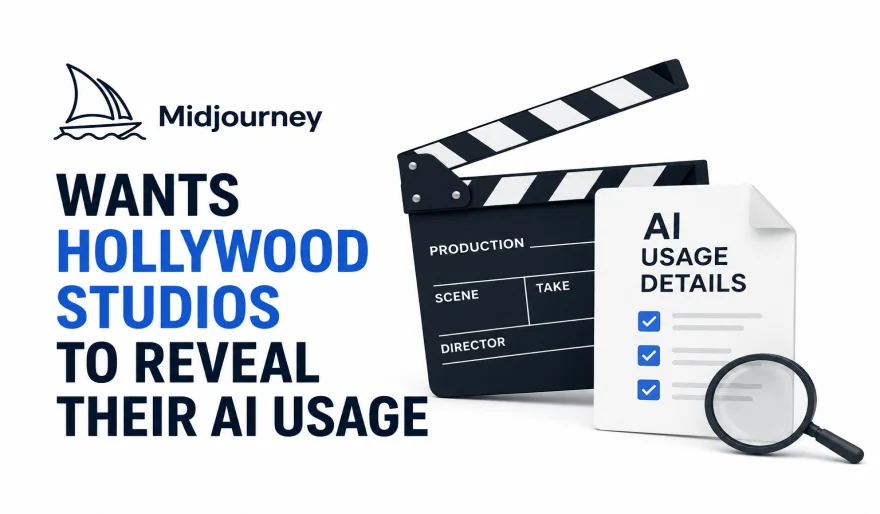
The legal battle between AI companies and Hollywood just took an unexpected turn.
Midjourney, which is fighting copyright lawsuits from Disney, Universal, and Warner Bros., has filed a motion asking the court to require the studios to reveal their own internal use of generative AI during the discovery process. The AI image company says it wants access to documents showing whether the studios are building or using AI systems behind the scenes.
The studios accuse Midjourney of training its image-generation models on copyrighted characters—including icons like Darth Vader and Bart Simpson—without permission. Midjourney continues to argue that its training practices fall under fair use.
A judge previously ruled that the studios only had to disclose AI-related documents tied to consumer-facing images or videos. Midjourney is now asking the court to remove that limitation, claiming it prevents access to evidence that could support its defense.
According to Midjourney, if Hollywood studios are internally training AI models on unlicensed copyrighted content for tasks like storyboarding, concept art, or creative ideation, it could weaken their claims that such practices are inherently unlawful. The company is also asking the studios to disclose all prompts and outputs they generated using Midjourney—not just the examples included in the lawsuit.
The studios, however, have dismissed the request as a "fishing expedition," maintaining that the case is about Midjourney allegedly distributing unauthorized versions of copyrighted characters—not about how studios experiment with AI internally.
Why it matters
This case is evolving beyond copyright infringement into a broader debate over AI transparency. If the court sides with Midjourney, major entertainment companies could be forced to reveal how deeply AI is already embedded in Hollywood production.
The upside
- The lawsuit could provide an unprecedented look at how major studios actually use generative AI.
- Greater transparency may help establish industry-wide standards for AI adoption.
- The case could clarify how "fair use" applies to AI training.
The downside
If the court rejects Midjourney's request, AI companies may face tighter legal scrutiny without gaining access to evidence they argue is critical to their defense. Even if the documents are disclosed, they could expose Hollywood to criticism over using the same technologies it publicly challenges.
The takeaway
The fight between Hollywood and AI is no longer just about copyrighted characters—it's becoming a battle over transparency. Midjourney is betting that if studios are using AI behind closed doors, that evidence could reshape one of the most important copyright cases in the generative AI era.











 AI Agents