Stay Ahead of the Curve
Latest AI news, expert analysis, bold opinions, and key trends — delivered to your inbox.
Meta India Head Named in Police Case Over Facebook Videos Targeting Modi
4 min read Indian police have filed a criminal case against Meta India's head after Facebook allegedly hosted videos targeting Prime Minister Narendra Modi. The move marks a sharp escalation in India's scrutiny of global social media platforms and their content moderation practices. July 31, 2026 13:38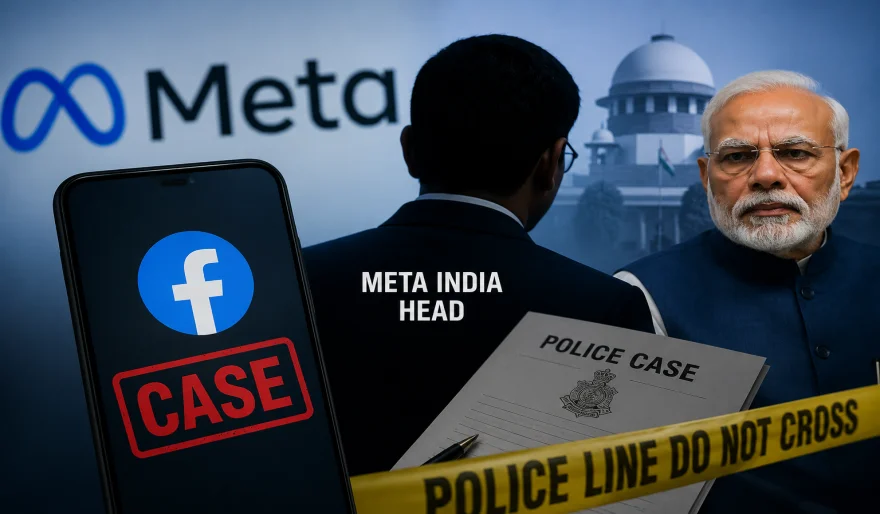
Authorities in Hyderabad have registered a police case against Arun Srinivas, the head of Meta India, over Facebook videos that allegedly contained abusive or manipulated content aimed at Prime Minister Narendra Modi. Several social media account operators have also been named in the investigation.
The case comes just days after Meta apologized for mistakenly removing one of Modi's Facebook videos, saying the takedown was caused by a technical error. That incident prompted India's Ministry of Electronics and Information Technology to summon Meta executives for an explanation, adding to mounting tensions between the company and the Indian government.
While authorities have not explained why Srinivas was personally named, legal experts note that holding a country executive criminally liable is uncommon unless investigators believe there was direct responsibility or prior knowledge of the alleged violation. Meta has not publicly commented on the new police case.
The investigation also arrives as India tightens enforcement of its digital content regulations, which require online platforms to respond quickly to government requests to remove unlawful content. As India remains Meta's largest market by users, the outcome of this case could have significant implications for how global AI-powered moderation systems operate in one of the world's biggest internet markets.
Why It Matters
The case highlights the growing collision between AI-driven content moderation, platform accountability, and government oversight. As AI increasingly determines what content is removed, restored, or recommended, mistakes can quickly become political flashpoints.
The Upside
- Could push social media companies to improve the accuracy and transparency of AI moderation.
- May lead to clearer compliance processes between governments and global tech firms.
- Reinforces accountability for content moderation decisions in high-profile cases.
The Downside
- Raises concerns about legal risks for local executives at global technology companies.
- Could increase pressure on platforms to over-moderate politically sensitive content.
- Adds to regulatory uncertainty for AI-powered social media services operating in India.
Bottom Line:
The case against Meta India's leadership underscores how AI moderation is no longer just a technical challenge—it's becoming a legal and geopolitical one. As governments demand greater accountability, every moderation decision could carry significant business and political consequences.



















 AI Agents