Stay Ahead of the Curve
Latest AI news, expert analysis, bold opinions, and key trends — delivered to your inbox.
Meta Bets Big on Canada With C$13B AI Data Center
2 min read Meta is doubling down on AI infrastructure with a massive C$13 billion (US$9.2 billion) investment to build its first-ever Canadian data center in Sturgeon County, Alberta. The facility will become Meta's 33rd data center globally and is designed specifically to power the company's next generation of AI models and services. July 10, 2026 11:45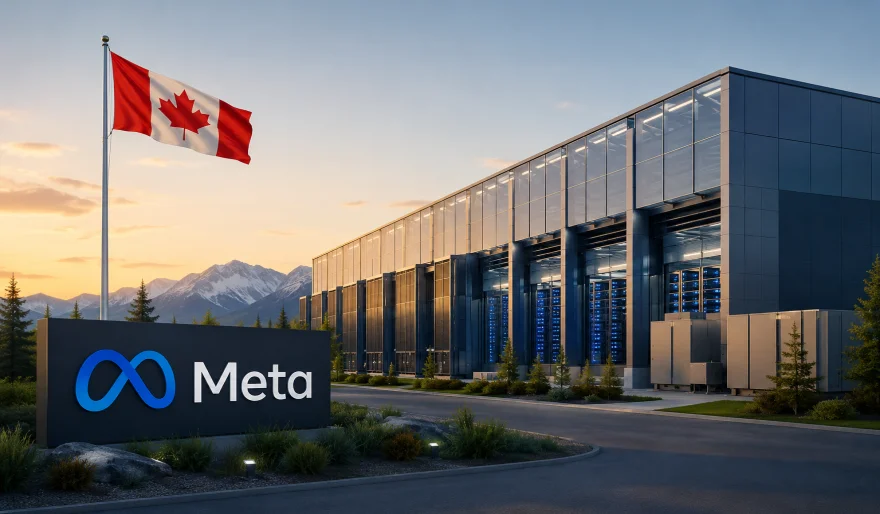
The project starts at 1 gigawatt of computing capacity with room to expand to 1.8 gigawatts, putting it among Meta's largest AI infrastructure investments. Alberta won the project thanks to its abundant natural gas, cool climate, and government push to attract hyperscale AI infrastructure.
Meta says it will fund new power generation and grid upgrades instead of drawing from existing electricity supplies. The company has partnered with Pembina Pipeline on a new natural gas power plant while Capital Power will provide electricity during the interim. It also plans to offset emissions with renewable energy investments and use water-efficient cooling technology, though environmental groups have raised concerns over the project's reliance on fossil-fuel-powered electricity.
The investment is expected to create thousands of construction jobs and hundreds of permanent roles while strengthening Canada's position in the global AI infrastructure race. For Meta, it's another sign that the battle for AI leadership is increasingly being fought through massive data centers rather than just new models.
Why it matters: AI is becoming an infrastructure race. Companies that secure the most compute capacity today will have a major advantage in training tomorrow's frontier AI models.
User Comments (0)
Popular Apps



















 AI Agents