Stay Ahead of the Curve

Latest AI news, expert analysis, bold opinions, and key trends — delivered to your inbox.

Florida Sues OpenAI Over Child Safety Risks, Triggering a New Phase of AI Legal Scrutiny

3 min read Florida has filed a lawsuit against OpenAI, marking the first time a U.S. state has taken legal action over alleged child safety risks linked to AI chatbots like ChatGPT. The state claims that current safeguards may not be strong enough to prevent minors from being exposed to inappropriate, harmful, or emotionally misleading interactions when using AI systems. June 01, 2026 19:11 Florida Sues OpenAI Over Child Safety Risks, Triggering a New Phase of AI Legal Scrutiny
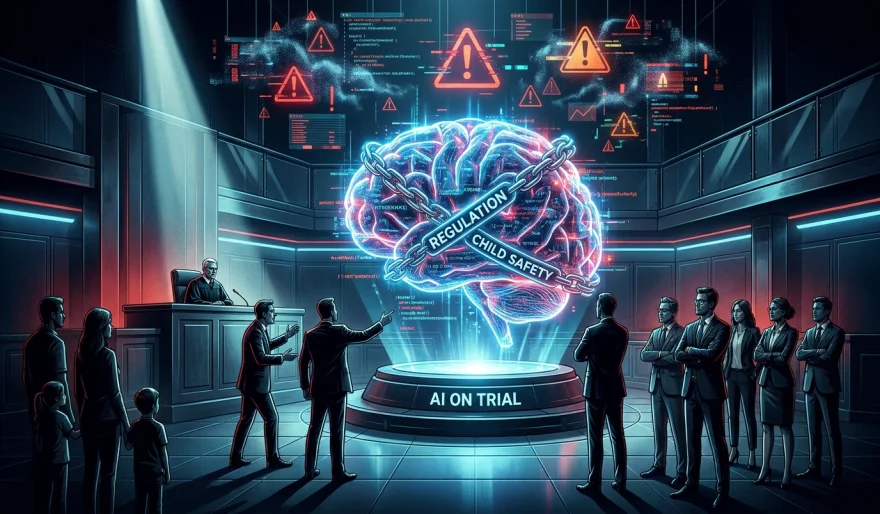
Florida has become the first U.S. state to file a lawsuit against OpenAI, accusing the company of failing to adequately protect minors from potential harm when interacting with AI chatbots like ChatGPT. The case centers on concerns that AI systems may produce inappropriate, misleading, or emotionally manipulative responses when used by children, raising questions about whether current safety guardrails are sufficient for such widely accessible technology.

The lawsuit argues that as AI becomes embedded in education, entertainment, and daily communication, companies behind these systems have a heightened responsibility to ensure younger users are not exposed to unsafe or developmentally harmful content. It also highlights a growing concern among regulators that existing AI safety measures were designed for adults in controlled environments—not for mass adoption across households, schools, and mobile devices used by minors.

Why it matters is that this case could become a defining legal precedent for AI accountability in the United States. If Florida succeeds, it could push AI companies to implement stricter age verification systems, more aggressive content filtering, and redesigned conversational safeguards specifically for children. Beyond OpenAI, the ripple effect could hit the entire AI industry, forcing companies like Google, Anthropic, and others to rethink how their models interact with vulnerable users.

More broadly, it signals a shift from discussion to enforcement. Governments are no longer just debating AI safety in policy papers—they are now testing it in courtrooms. That transition could shape not just how AI is built, but who gets to decide the boundaries of intelligent systems in everyday life.

User Comments (0)

Add Comment
We'll never share your email with anyone else.

img