Stay Ahead of the Curve
Latest AI news, expert analysis, bold opinions, and key trends — delivered to your inbox.
Anthropic Warns: AI’s Real Risk Is Bad Timing
9 min read Anthropic CEO Dario Amodei says AI isn’t a bubble — the real risk is companies “YOLO-ing” billions into compute with no clear payoff timeline. He warns some rivals (read: OpenAI) are pushing risky capex bets as chip cycles accelerate and data centers get pricier. December 05, 2025 14:53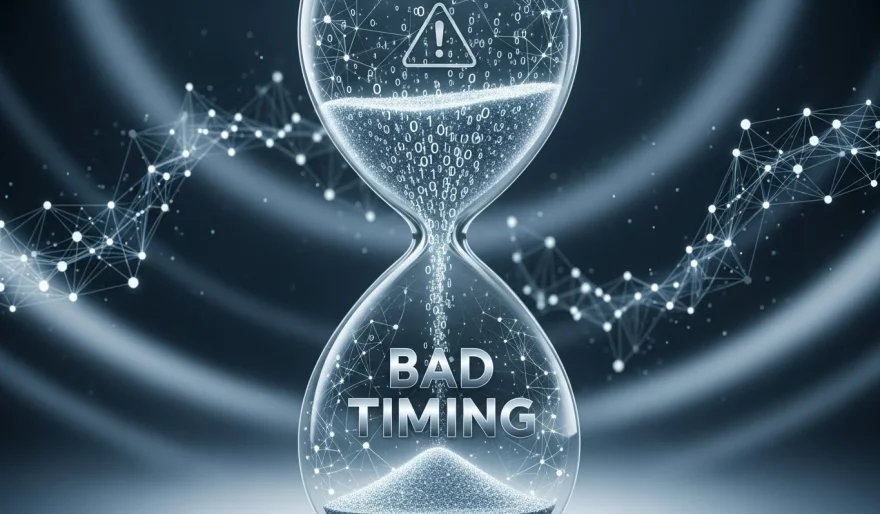
At the NYT DealBook Summit, Anthropic CEO Dario Amodei didn’t just answer the classic “Is AI in a bubble?” question — he reframed it. Instead of debating valuations or hype, he zeroed in on a much quieter but more dangerous fault line running under the AI economy: timing risk + compute overextension.
And that matters more than stock prices.
The Core Tension: Massive Opportunity, Messy Timing
Amodei said he’s bullish on AI’s long-term potential — no surprise there. But the uncertainty lies in how fast the economic value materializes.
AI companies must simultaneously:
-
invest billions in data centers and GPUs years before demand is certain
-
compete against global rivals, including authoritarian states
-
and manage tech cycles where hardware depreciates faster than ever
That time lag, he argues, is the real bubble question.
Not “Is AI overhyped?”
But “Are some players gambling the timeline?”
The Shade: Some Competitors Are “YOLO-ing” It
Without naming names (but really naming names), Amodei suggested that a major competitor — clearly OpenAI — is pushing the risk dial too far.
His words:
-
some players aren’t “managing risk well”
-
some are taking “unwise risks”
-
some “YOLO” huge compute investments
-
some simply “like big numbers”
For context: just last month OpenAI’s CFO floated the idea of the U.S. government backstopping their infrastructure loans — effectively asking taxpayers to take the fall if the company overextends.
They later walked it back, but the industry heard it loud and clear.
Chip Depreciation: The Silent Killer of AI Economics
Amodei highlighted a factor many non-technical investors still underestimate:
GPUs don’t die — they just become economically obsolete.
When Nvidia drops a faster, cheaper architecture:
-
data centers lose value instantly
-
ROI timelines shift overnight
-
companies that bought billions in hardware must write down earlier than planned
Anthropic assumes conservative depreciation; Amodei signaled others do not.
Anthropic’s Curve: Insane Growth, Conservative Mood
Anthropic’s revenue trajectory is stunning:
-
2023: $0 → $100M
-
2024: $100M → $1B
-
2025 (projected): $8–10B
This would normally unleash tech’s trademark victory lap. Instead, Amodei said:
“I’d be really dumb to assume the pattern continues.”
His planning model assumes slower growth — even though reality has been the opposite. This is the “anti-bubble” stance: assume pain, plan for resilience.
Why This Matters (For People With Very Different Stakes)
For AI Investors & VCs
-
The market opportunity is enormous, but timing risk is the core threat.
-
Players who overbuild data centers could face liquidity crises even with massive revenue.
-
Watch for companies with disciplined provisioning and realistic depreciation models.
Signal: Anthropic = conservative scaling.
Unknown: OpenAI = burn-curve unclear, risk appetite high.
Red flag: anyone asking governments to backstop their loans.
For AI Workers & Builders
-
Data center constraints will shape roadmap priorities.
-
Risky competitors may offer high salaries but face funding instability.
-
Companies with healthier risk management create more stable job environments as compute fights intensify.
For Founders & Indie AI Teams
-
Timing is everything: go too conservative → you lose relevance; too aggressive → you burn out.
-
Hardware depreciation should be in your business model even if you rely on cloud.
-
This is not an “infinite compute” era — it’s a rationing era.
For AI Enthusiasts & “Lovers of the Future”
-
The frontier race is not just about smarter models — it’s about who can survive long enough to build them.
-
Industry drama (OpenAI vs Anthropic) reflects deeper philosophical divides about safety, pace, and strategy.
For Billionaires Watching the Compute Arms Race
-
This is the moment where fortunes are made or erased.
-
CHIPS, power, land, and supply chain bets matter more than model performance.
-
Whoever balances ambition + risk best will dominate the next 10 years.
Pros & Cons of Amodei’s Position
Pros
-
✔ Realistic about capex and hardware cycles
-
✔ Prioritizes survival over speed
-
✔ Transparent about uncertainty
-
✔ Puts pressure on competitors showing reckless spending patterns
Cons
-
✖ Conservative planning could slow innovation
-
✖ Shades rivals without naming names — adds fuel to industry rivalry
-
✖ Anthropic still relies heavily on external funding (Amazon, Google)
-
✖ May understate the risk of being too cautious in a winner-takes-all market
Macro Takeaway
The “AI bubble” conversation is no longer philosophical — it’s operational.
The real divide isn’t between optimists and skeptics.
It’s between disciplined builders and YOLO capital-burners.
And in an era where chip cycles shrink and data centers cost more than skyscrapers, the companies that survive the next 36 months may not be the ones with the biggest models…
but the ones with the best risk math.

















 AI Agents