Stay Ahead of the Curve
Latest AI news, expert analysis, bold opinions, and key trends — delivered to your inbox.
Alphabet is buying its way around energy bottlenecks for AI
3 min read The move bypasses strained local grids, ensures reliable power for training AI models, and positions Alphabet’s new “data parks” to host both its own and other companies’ AI workloads. December 23, 2025 14:00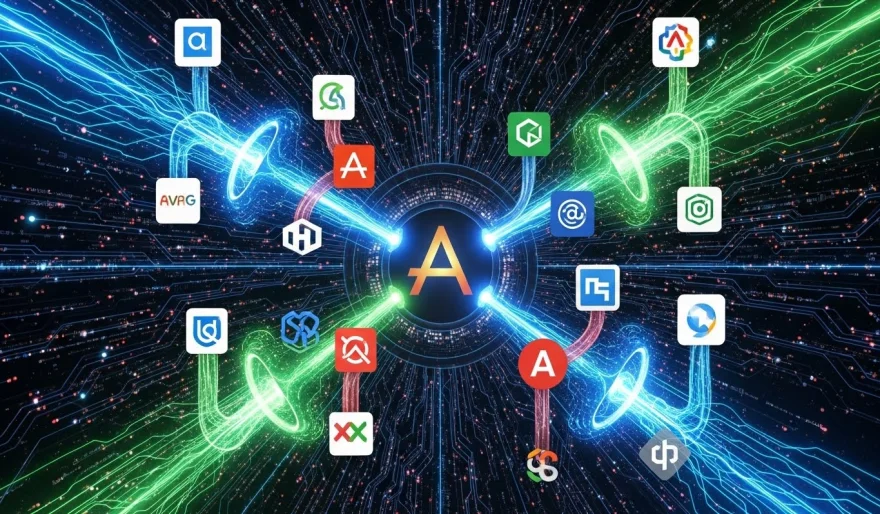
Google’s parent, Alphabet, is taking a bold step to secure the fuel behind the AI boom: electricity. The company announced it will acquire Intersect Power, a clean energy and data center developer, for $4.75 billion in cash plus debt, giving it direct control over power generation for its sprawling AI infrastructure.
Why this matters
Training large AI models isn’t just about GPUs and chips — it’s about reliable, scalable energy. Local utilities are struggling to keep up with the electricity demands of AI companies, creating potential bottlenecks that could slow down model development. Owning Intersect’s projects lets Alphabet bypass those constraints, ensuring its data centers can scale without hitting grid limits.
The deal in context
Alphabet already had a minority stake in Intersect, after Google and TPG Rise Climate led an $800 million funding round last December. That investment targeted $20 billion in total investment by 2030, and this acquisition accelerates that ambition.
The deal includes Intersect’s future development projects — new “data parks” co-located with wind, solar, and battery storage — but excludes its existing operations, which will be spun off to other investors.
According to Google, these new campuses will start operating late next year and be fully ready by 2027. While Alphabet will be the primary user, the parks are designed to host other companies’ AI workloads as well.
The bigger picture
This move signals a broader trend: AI companies aren’t just cloud or software companies anymore — they’re energy players too. Owning the supply chain for electricity, especially renewable energy, is becoming as strategic as owning GPUs or AI talent.
For Alphabet, the payoff is clear: uninterrupted access to power, lower long-term energy costs, and a potential revenue stream by hosting other AI workloads. For the AI ecosystem, it’s a reminder that infrastructure bottlenecks are real, and the companies that control energy could control the pace of AI development.















 AI Agents